
The Chill Wizard
Portraits 1: Alexandre Stipanovich

Your next favorite New Yorker might be just behind the next door you open. Take Alexandre Stipanovich: the scientist and musician believes the world needs more trust and care — but really, it needs more people like him.
Stipanovich runs Cascades Analytics, a pharmaceutical consulting and media bureau focused on psychedelic research, and the music project Chill Wizard. Both operate from the same building, where he just switches floors based on whether science or synths call, and sunlight streams through big windows all day.
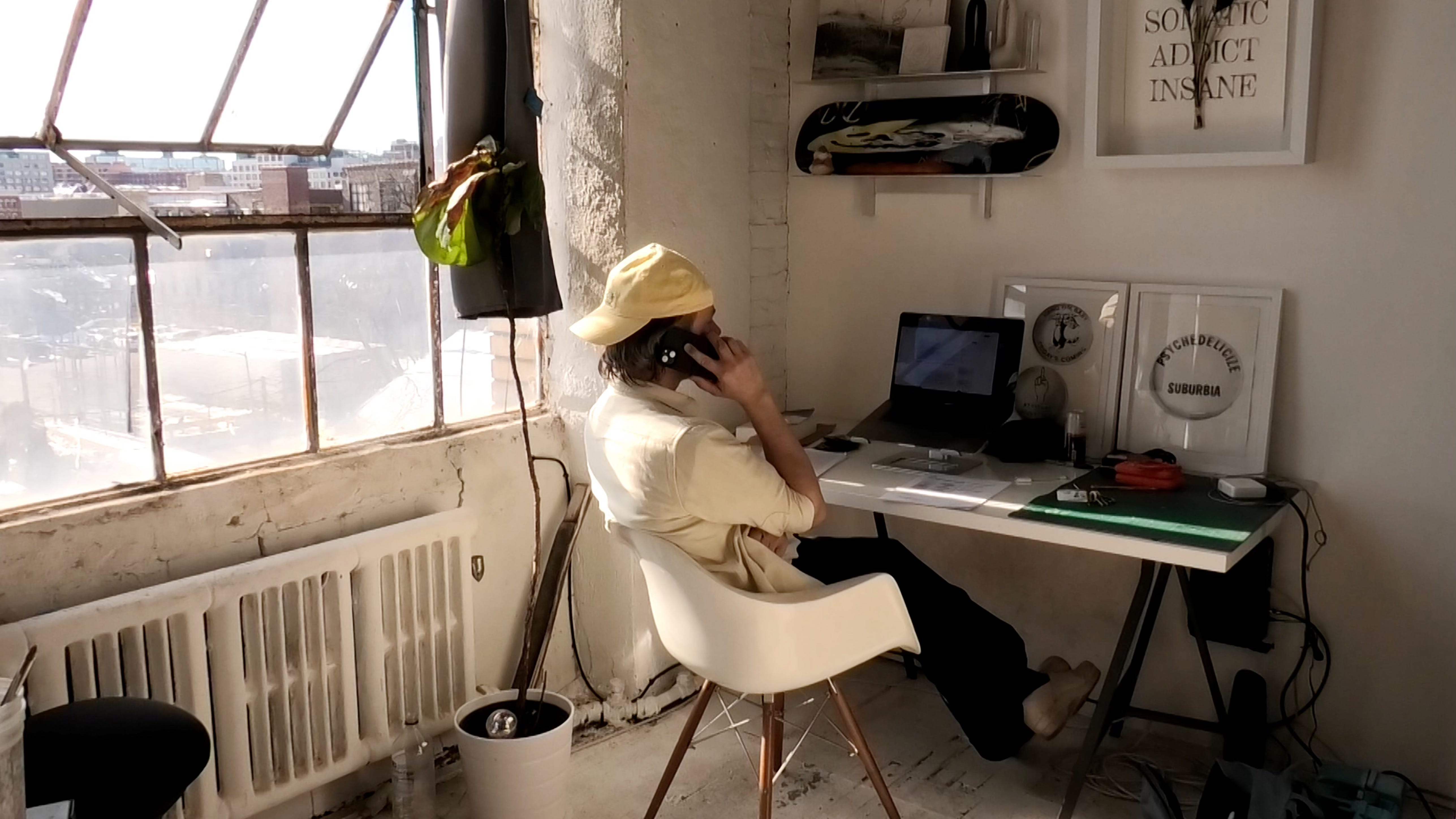
Originally from Paris, he was drawn to neuroscience after mental health challenges affected his mother’s side of the family. He earned his PhD in France and then went to the Yale School of Medicine, where he led a molecular psychiatry research project. He later worked in Nobel Laureate Paul Greengard’s lab on the Upper East Side.
At age 5, Stipanovich fractured his skull in a bike accident, fell into a coma, and spent days recovering in a hospital room with little stimulation. During that time, he heard another child playing Michael Jackson’s Smooth Criminal, which deeply affected him. This was when he realized music could pull you back into the world, and he was hooked.
After leaving academia because of its solitary nature, Stipanovich later returned as his interest in psychedelic research emerged. Now, he helps new biopharma companies understand psychedelic therapies and often has to explain the details to investors.
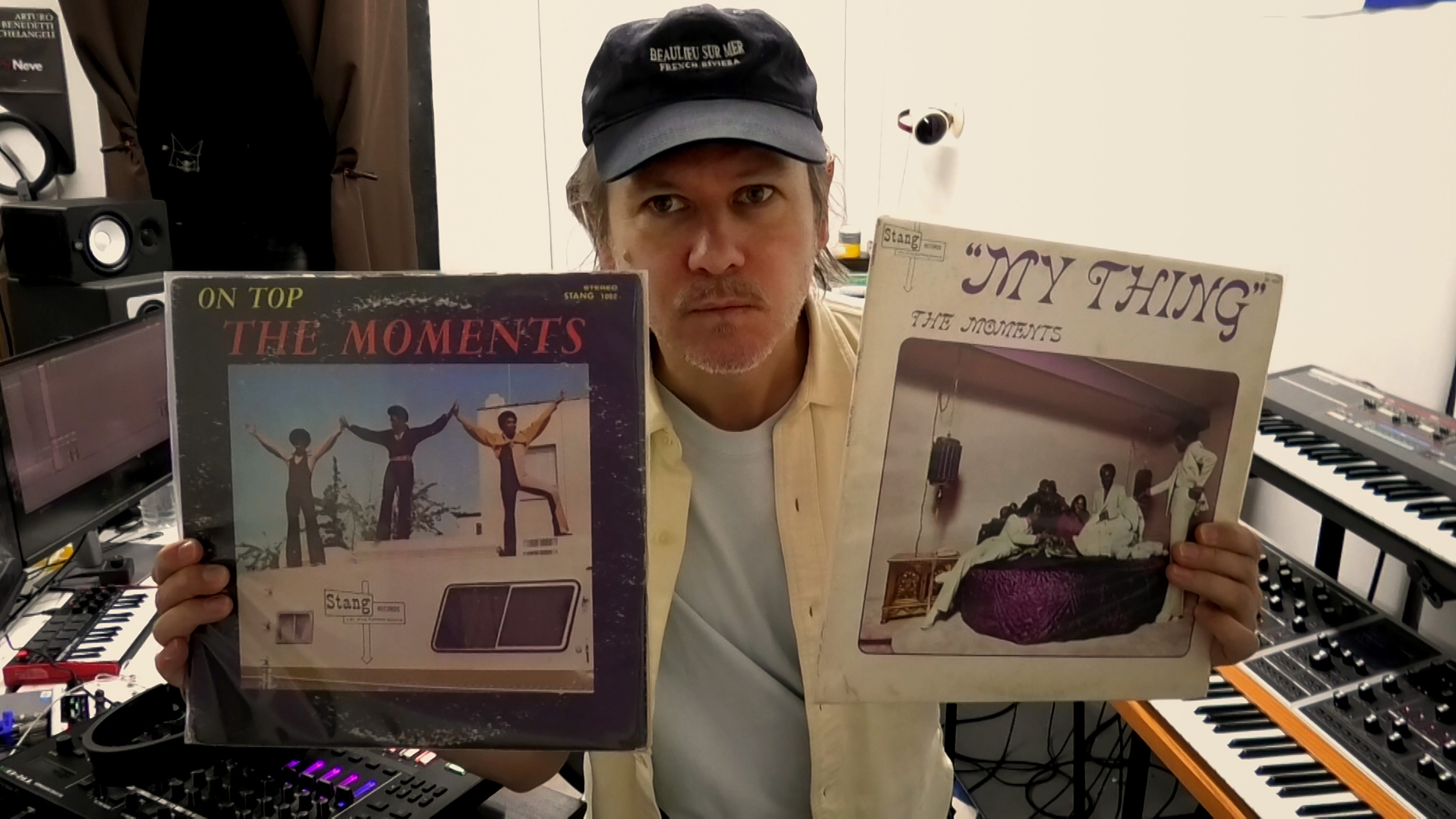
When he isn’t in the lab or exploring his expanding vinyl collection, he’s a family man and husband to his beautiful wife, Audrey, and their young, bleach-blonde children, who could grace a Ralph Lauren ad with ease. Besides looking inward for inspiration, living in New York City has shaped his science, sound, and his future.
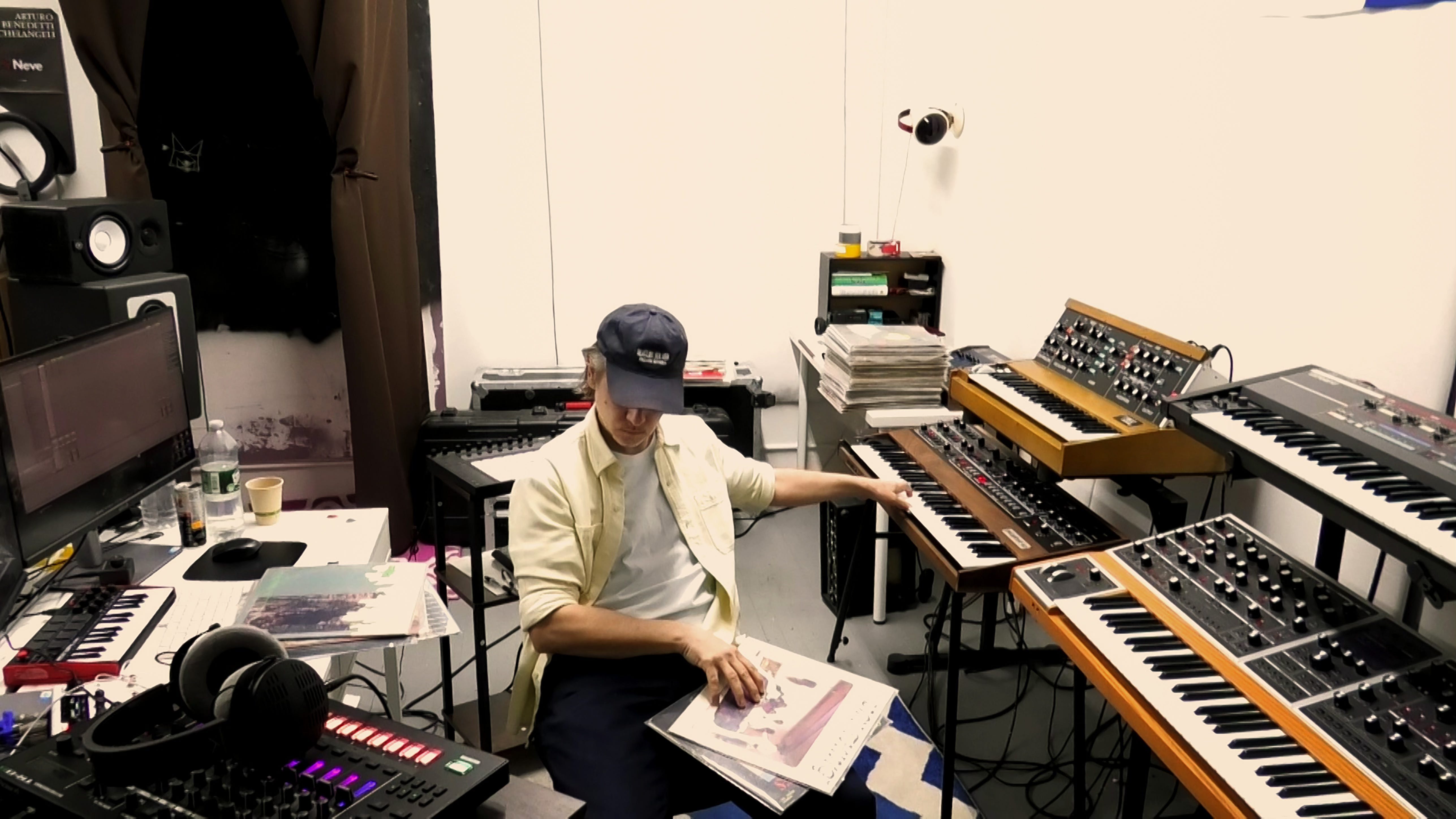
Stipanovich brings energy and warmth to any room, driven by a genuine love of connecting with others. Even at rest, his mind remains engaged — immersed in new ideas and creative pursuits. His artistic sensibilities draw inspiration from people like early George Michael, early Kanye West, Gladys Knight, John Lennon, and Brian Wilson. Those closest to him admire his endearing sense of humor because he’s the person who effortlessly lifts the mood at any gathering. At his most recent dinner party, a casual exchange evolved into a lengthy debate about E.T., which is a testament to his talent for turning ordinary evenings into memorable occasions.
His creative life in music follows a certain pattern of struggle. For him, the hardest part is enduring dry spells of uninspired melodies. Yet, those make the breakthroughs more rewarding. In his science career, Stipanovich feels that earning the trust of new clients takes patience and persistence and his favorite moments are when that trust is earned, projects run smoothly, and the science excites him.
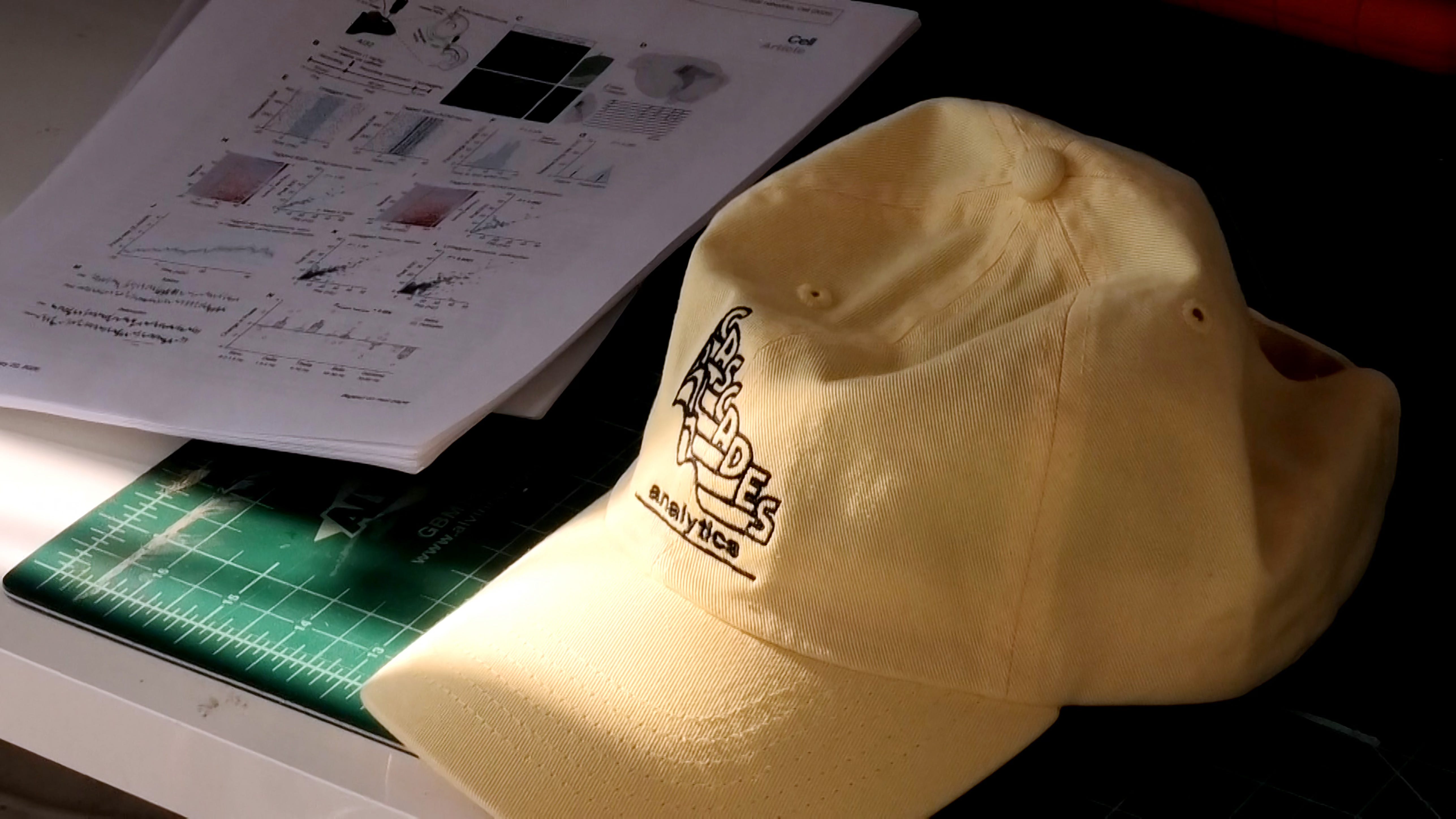
Every other day, he wakes up at 6 a.m. to do cardio and hammam. While he’s there, he envisions his day and asks himself what’s most urgent, important, and meaningful before he goes and does it. He also maintains a disciplined creative practice by publishing a weekly neuropharma newsletter focused on the molecular mechanisms of psychedelics and the pharmacology of consciousness.
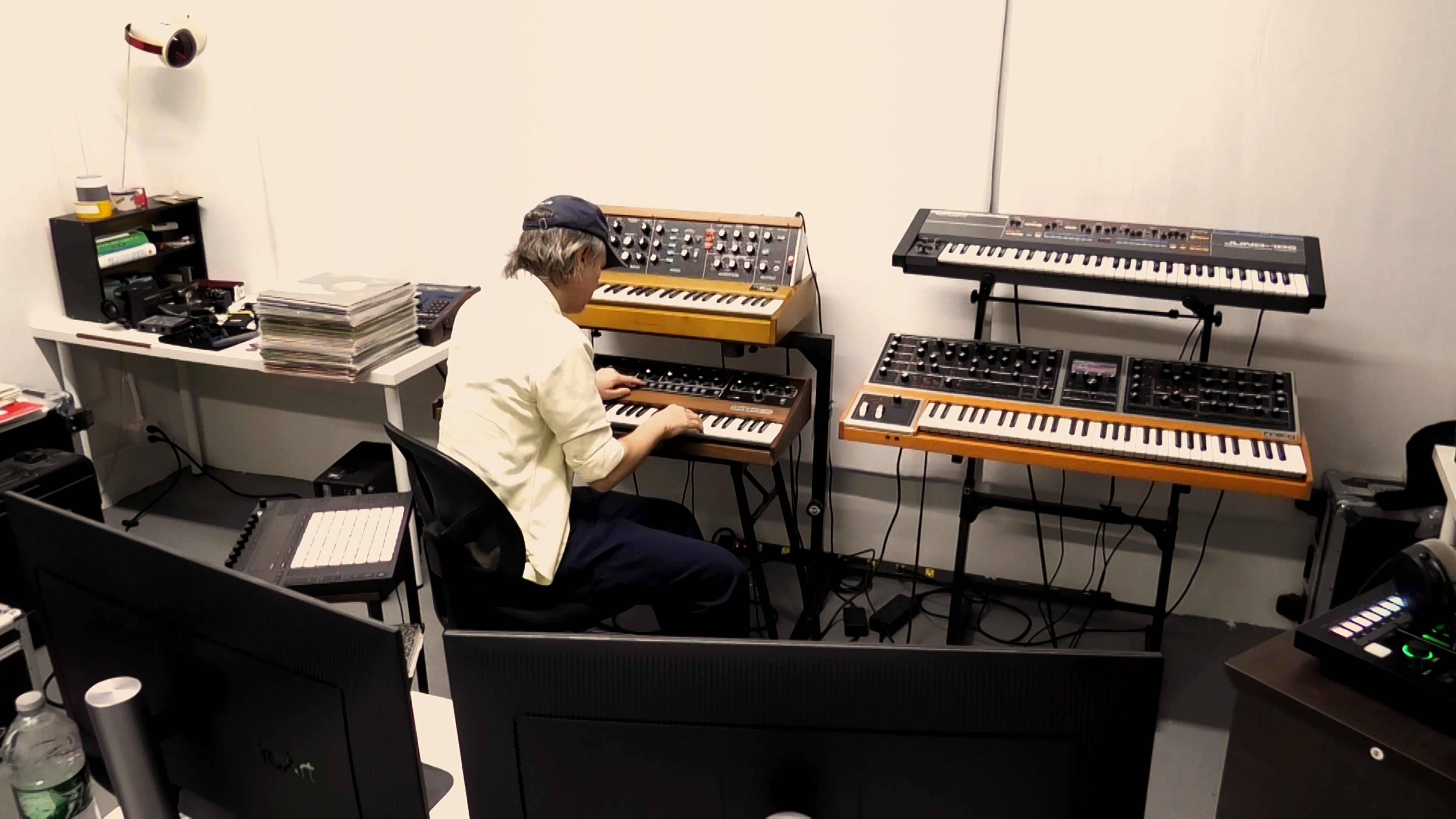
Stipanovich sees promise in psilocybin research and thinks supervised access in states like Oregon and Colorado are signs of a broader change in mental health approaches. Guided by his motto — “Play hard, good things will happen,” — he navigates creativity’s deserts of doubt and is committed to the journey toward possibility and his endless dreams.
His life is rooted in patience and conviction. Building a neuropharma consulting company requires originality and consistency. Indifference is inevitable, but it never stops him in either career. For him, what matters is whether the work feels vital. He thinks that if you pursue both science and music, let them diverge naturally instead of forcing them together.
That same philosophy extends beyond his work and shapes the way he sees the world: clear-eyed, sometimes sentimental, but grounded in reality and in a desire to help the planet. As he put it, “Sometimes I feel like humans don’t really want to live with other humans. But we’re in this together, like it or not.”
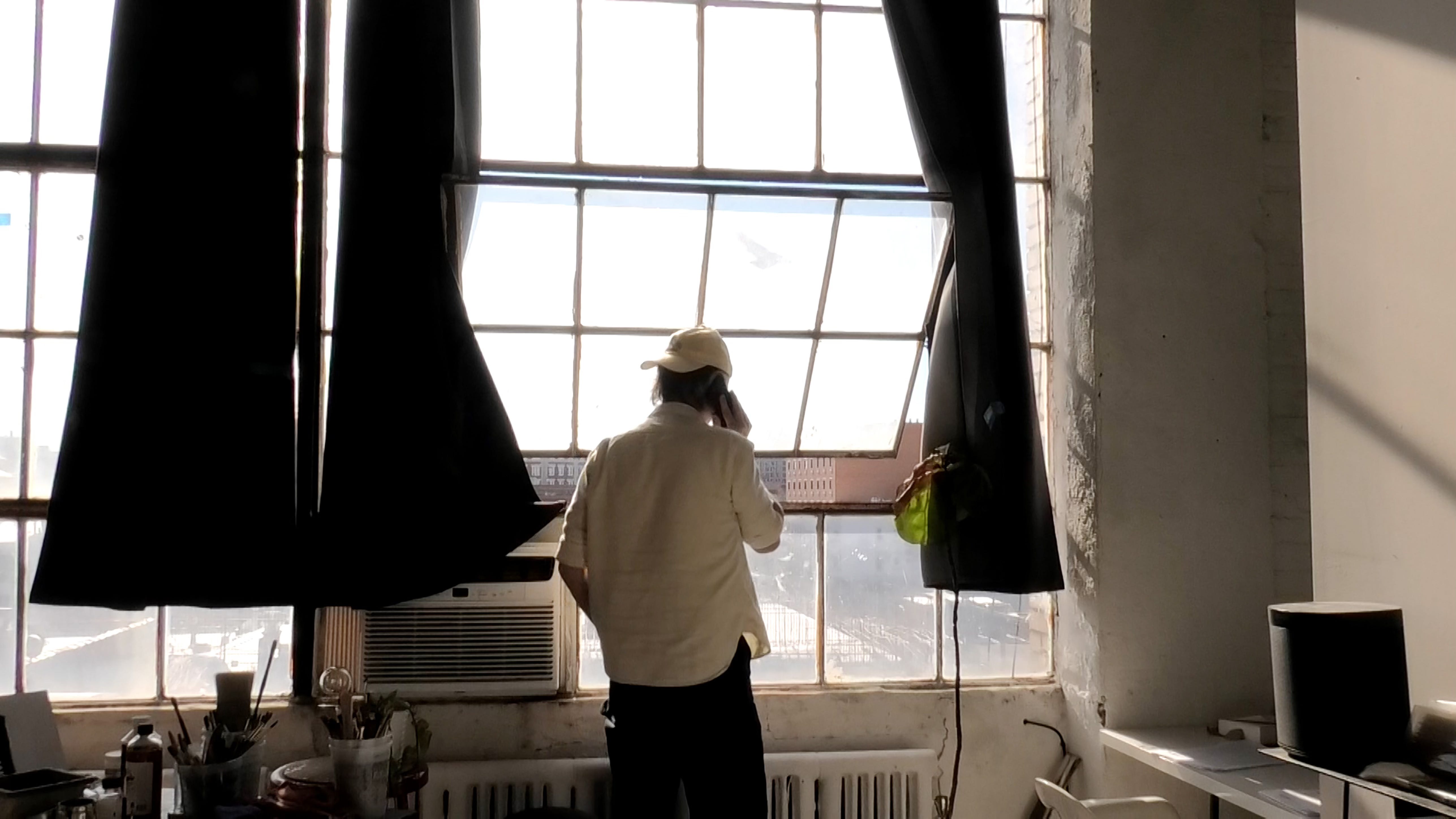
THIS IS A PORTRAIT OF ALEXANDRE STIPANOVICH.
MORE PORTRAITS COMING SOON.